

Regenerative Medicine

1. Prolozone Injection Therapy
Joint overuse, injury, and the aging process can cause degeneration and damage to joints and connective tissue throughout your body. When your body is young, healthy, and strong, your immune system will recruit a healing response to an injured area, using increased blood flow, stem cells, growth factors, and more. Due to the environmental and lifestyle stresses on your body as you age, it can become more difficult for your body to heal completely. While steroids can help with pain and inflammation, they actually suppress immune function, do not contribute to repairing damaged tissue, and can lead to long term degeneration of your joints.
Prolozone Injection Therapy, also known as Ozone Joint Therapy, is an advanced healing tool that is used to stimulate repair and regrowth of damaged tissue. When you receive Prolozone therapy, nutrients and ozone are injected into a joint or problem area to help reduce pain and regenerate damaged tissues, including cartilage, ligaments, tendons, joint capsules, meniscus, and other soft tissue. This allows increased blood circulation, oxygenation, and immune system stimulation to the damaged area. This therapy is incredibly beneficial if you are looking for a non-surgical option for helping with joint pain.
Prolozone Injection Therapy provides many powerful health benefits with little or no side effects. Studies have shown that it can help:
• SHOULDER: Bicipital tendinitis, Bursitis, Impingement, Osteoarthritis, Rotator Cuff Injuries, Tendonitis
• WRIST AND HAND: Carpal Tunnel Syndrome, DeQuervain's Tenosynovitis, Ligament Tears, Osteoarthritis, Trigger Finger, Tendonitis
• ELBOW: Golfer's Elbow, Osteoarthritis, Tennis Elbow
• HIP:,Greater trochanteric bursitis, Ilio-psoas tendinitis and bursitis, Iliotibial band Tendonitis (ITB Syndrome), Osteoarthritis, Sacroiliac Joint Dysfunction
• KNEE: Osteoarthritis, Patellar Tendonitis, Strained or Partially Torn Ligament (LCL, MCL) and Meniscus (Lateral, Medial)
• FOOT and ANKLE: Achilles Tendonitis, Heel Spurs, Osteoarthritis, Plantar Fasciitis
• TMJ PAIN
• PERONEAL TENDONITIS
-
Prolozone Injection Therapy involves the injection of nutrients and ozone into a joint or painful area, to stimulate regrowth of damaged tissue. You will typically experience no downtime and begin to see relief and benefits immediately, with maximum benefits achieved with repeated injections.
-
If you are seeking to overcome painful joint or soft tissue issues, this therapy has been shown to provide pain relief and promote healing. Prolozone may not be administered into areas that have undergone joint replacement.
-
All treatment protocols are uniquely tailored to your needs by your medical provider. Your provider will determine the appropriate dosage, recommended injection frequency, and number of treatments after completing your consultation, examination, and required testing.
2. Platelet-Rich Plasma Therapy (PRP)
When your body is injured, its first response is to deliver platelets to the damaged area, to initiate repair. Platelet-rich plasma therapy treatments enhance your body's own natural regenerative and healing mechanisms by introducing a concentrated dose of platelets to the damaged tissue. PRP is a safe and effective treatment option for numerous acute and chronic orthopedic and skin conditions. PRP treatments provide many powerful pain relief and health benefits with little or no side effects and have been shown to repair tissue in acute and chronic injuries, decrease the progression of more serious injuries, decrease the overall time for healing, and decrease the need for surgical intervention. It can be injected into your joints, face, scalp, and scars to trigger cellular regeneration, collagen formation, and reduce inflammation.
PRP has been shown to benefit:
• Anti-aging Treatment for Face and Skin
• Hair Regrowth
• Peroneal Tendonitis
• TMJ Pain
• Scar Treatment
• Wound Healing
• SHOULDER: Bicipital tendinitis, Bursitis, Impingement, Osteoarthritis, Rotator Cuff Injuries, Tendonitis
• WRIST & HAND: Carpal Tunnel Syndrome, DeQuervain's Tenosynovitis, Ligament Tears, Osteoarthritis, Trigger Finger, Tendonitis
• ELBOW: Golfer's Elbow, Osteoarthritis, Tennis Elbow
• HIP:,Greater trochanteric bursitis, Ilio-psoas tendinitis and bursitis, Iliotibial band Tendonitis (ITB Syndrome), Osteoarthritis, Sacroiliac Joint Dysfunction
• KNEE: Osteoarthritis, Patellar Tendonitis, Strained or Partially Torn Ligament (LCL, MCL) and Meniscus (Lateral, Medial)
• FOOT & ANKLE: Achilles Tendonitis, Heel Spurs, Osteoarthritis, Plantar Fasciitis
-
Your provider will instruct you on how to prepare for your treatment and how to care for yourself afterward.
After performing an examination and any necessary diagnostics, the site of injection is prepared for treatment. Your blood is drawn and then centrifuged to separate the platelet-rich plasma from the other components of your whole blood. The concentrated platelets are then injected into your site of injury. Platelets function as a natural source of growth factors that enable your injured tissues to be repaired. The growth factors secreted by platelets initiate tissue recovery by increasing collagen production, enhancing stem cell proliferation, and stimulating blood flow, which will result in firmer and more resilient cartilage formation. All of these natural healing mechanisms will enable repair of your injured tendons, ligaments, cartilage, and muscles.
You may experience some soreness in the days immediately following a PRP injection. This is normal, as your body is working to restore healthy tissue in the area. Intensity of pain becomes less each day as strength and functional ability improve.
You will notice continued gradual improvement for 2-6 weeks following PRP therapy and many patients report ongoing improvement for up to 9 months after PRP therapy. MRI and ultrasound imaging have demonstrated definitive tissue repair following PRP treatment, as well.
Depending on your specific condition and health goals, the doctor may also recommend the addition of ozone injection or IV ozone or vitamin therapy, for their synergistic benefits.
-
If you are seeking to overcome acute or chronic pain, or seek the benefits of PRP for cosmetic purposes, this therapy has been shown to promote healing and regeneration. Prolozone may not be administered into areas that have undergone joint replacement.
-
Your provider will determine the appropriate recommended number of treatments after completing your consultation, examination, and any necessary testing on your initial visit.
3. Stem Cell and Exosome Therapy
Stem cells are also known as mesenchymal stem cells. These cells are able to specialize into different types of cells, where they are needed, to accelerate healing and regeneration to an injured area. Autologous stem cells are harvested from your own tissue, however, there are limitations for effectiveness with this type of stem cell treatment. Allogenic stem cells are harvested from sources such as amniotic fluid, placental tissue, umbilical cord products, and Wharton’s jelly. These sources are collected from tissue that would otherwise be discarded, following a healthy, live birth.
After collection, the products undergo a strictly regulated process to isolate and concentrate the stem cells, to ensure the highest quality and most effective stem cell product. The stem cells are then frozen at a very low temperature to maintain therapeutic potency until they are needed. Stem cell therapy is an effective regenerative medicine treatment for various muscle, bone, nerve, tendon, and ligament injuries.
Stem Cell Treatment Options:
Amniotic Fluid Stem Cells
Amniotic stem cells harness the growth factors and stem cells found within the clear amniotic fluid, which surrounds a growing fetus during pregnancy. These stem cells may be used to treat a variety of health conditions.
Exosomes
Exosomes are not technically stem cells; they are carrier vesicles generated by all types of cells that are responsible for communication between cells. Exosomes carry growth factors, lipids, metabolic products, nucleic acids, and proteins, which travel throughout the body and are released into your blood for the purpose of cellular signaling.
Amniotic Matrix Derived Stem Cells
Placental tissue matrix stem cells originate in amniotic tissues. These stem cells are often used to reduce inflammation, minimize scar tissue, and support the healing of soft tissue in areas of injury.
Umbilical Cord Products
Stem cells from umbilical cord blood can also be collected from the umbilical cord and the placenta after a baby is born. These stem cells are rich in specific blood cell precursors, so they are often used to treat immune deficiencies, some types of cancer, and various genetic disorders.
Wharton’s Jelly
This is a type of mesenchymal stem cell found in the jelly-like substance inside the umbilical cord, known as Wharton’s jelly. These stem cells possess characteristics similar to other stem cells, including the ability to differentiate and specialize into various types of cells and modulate responses within the immune system. These stem cells have the ability to self-renew and can differentiate into bone, cartilage, or fat cells. Wharton’s jelly stem cells possess low immunogenicity, which makes them easily injected or infused.
Stem Cell and Exosome Therapy has been shown to benefit:
• Immune Disorders
• Stroke Recovery
• Systemic Inflammation
• SHOULDER: Bicipital tendinitis, Osteoarthritis, Rotator Cuff Injuries, Tendonitis
• WRIST & HAND: Carpal Tunnel Syndrome, DeQuervain's Tenosynovitis, Ligament Tears, Osteoarthritis, Trigger Finger, Tendonitis
• ELBOW: Golfer's Elbow, Osteoarthritis, Tennis Elbow
• HIP: Ilio-psoas tendinitis and bursitis, Osteoarthritis
• KNEE: Osteoarthritis, Patellar Tendonitis, Strained or Partially Torn Ligament (LCL, MCL) and Meniscus (Lateral, Medial)
• FOOT & ANKLE: Achilles Tendonitis, Osteoarthritis
-
Your medical professional will instruct you on how to prepare for your treatment and how to care for yourself afterward. After performing an examination and any necessary diagnostics, the site of injection is prepared for treatment. The stem cell product is then injected into your site of injury. Depending on which product is used, stem cells function to decrease inflammation, modulate the immune system, and stimulate tissue regeneration.
You may experience some soreness in pain in the days immediately following a PRP injection. This is normal, as your body is working to restore healthy tissue in the area. Intensity of pain gradually lessens as strength and functional ability improve. You are advised not to exceed your pre-injection activity level for at least three months, as your body heals and regenerates.
Depending on your specific condition and health goals, the doctor may also recommend the addition of PRP injections in conjunction with stem cell therapy, for their synergistic benefits.
-
If you are seeking to overcome acute or chronic pain, this therapy has been shown to promote healing and regeneration. Stem cell therapy may not be administered into areas that have undergone joint replacement.
-
Your provider will determine the appropriate recommendations after completing your consultation, examination, and any necessary testing on your initial visit.
4. Aesthetics and Anti-Aging — PRP Facial with Microneedling
As you grow older, collagen production slows, which decreases elasticity in your skin, causing wrinkles and lines to form around your eyes, mouth, and nose, and on your forehead. PRP treatments help restore elasticity and improve your skin. This process smooths wrinkles and creates firmer, fuller skin. When used as a wrinkle treatment, PRP can be injected directly into specific areas of the face or applied as part of another procedure, such as microneedling.
When used as a tool for cosmetic facial rejuvenation, PRP therapy is usually combined with microneedling, to enhance the benefits of the treatment. A PRP Facial with microneedling is a non-surgical and minimally invasive facial rejuvenation procedure that combines natural growth factors with microneedling to provide beautiful results for your skin without the downtime of cosmetic surgery. This procedure triggers your skin's natural healing process to increase your skin's elasticity, firmness, texture, and evenness of color. This technique can treat uneven skin tone, enlarged pores, mild acne scarring, and mild wrinkles. As the skin heals the micro-wounds from the derma pen, collagen and elastin repair the damage and result in smoother, more youthful-looking skin.
PRP Facial with Microneedling has shown to create improve the appearance of the common signs of aging:
• Skin color that has overall dulled appearance because it is not receiving proper blood flow
• Skin pigmentation issues such as sun damage or other hyper pigmentation
• Skin that has begun sagging, drooping, or thinning, due to decreased collagen
• Skin that has lost its smooth texture or shows fine lines, wrinkles, pitting, scarring (including keloid scarring), or appearance of large pores
-
During your PRP facial, your provider will draw your blood, just like a standard blood draw at the doctor's office. The blood that was drawn is then centrifuged to isolate the Platelet-Rich Plasma (PRP), which contains stem cells, platelets, and growth factors used during the procedure to stimulate collagen and elastin production within your skin.
If you are receiving micro needling as part of your treatment, your provider will use a micro needling pen with extremely fine needles to create microscopic wounds on the surface of your skin. These micro injuries in the surface of your skin stimulate your body to release growth factors and special peptides that promote the formation of new blood vessels and collagen, forming healthy new skin cells and improving your skin's texture, firmness, and elasticity. As your provider performs the microneedling, your platelet-rich plasma (PRP) is applied to your face, enabling it to penetrate deep into your skin.
If you are not receiving micro needling as part of your treatment, your provider will gently apply your PRP solution to your skin.
After your procedure, your provider will provide you with an at-home treatment protocol to enhance the results of your facial procedure, accelerate your skin's healing and improve your skin's texture, firmness, elasticity, and overall appearance.
-
If you are seeking to minimize the signs of aging, this therapy has been shown to promote healing and regeneration of your skin.
-
Your provider will determine the appropriate recommendations after completing your consultation, examination, and any necessary testing on your initial visit.
Next Steps?
Call our office (724-316-1396) or fill out our inquiry form to schedule a consultation for determining your appropriate treatment plan, and to finally experience pain relief and return to an active lifestyle or even to experience younger looking skin.
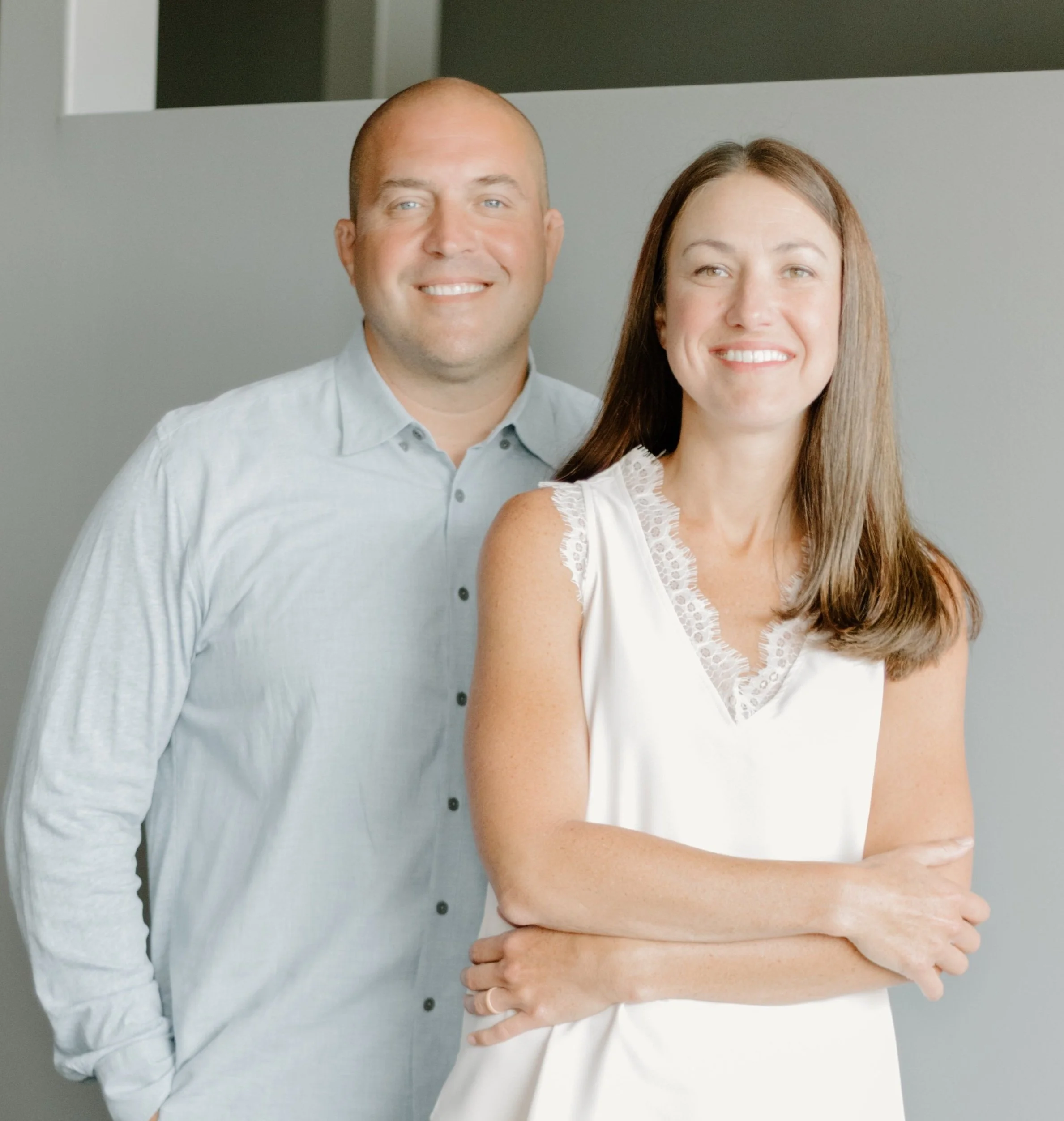
Drs. Nick & Erin Greiner
Functional Medicine Doctors who care about restoring your health. We use a personalized whole-body approach to healing & uncovering the root cause of your health problems and utilize the best strategies and therapies available for healing naturally.
Explore More:
Ready to begin your health journey?